Automotive Batteries
 | How It Works
Contact us now! |
Overview
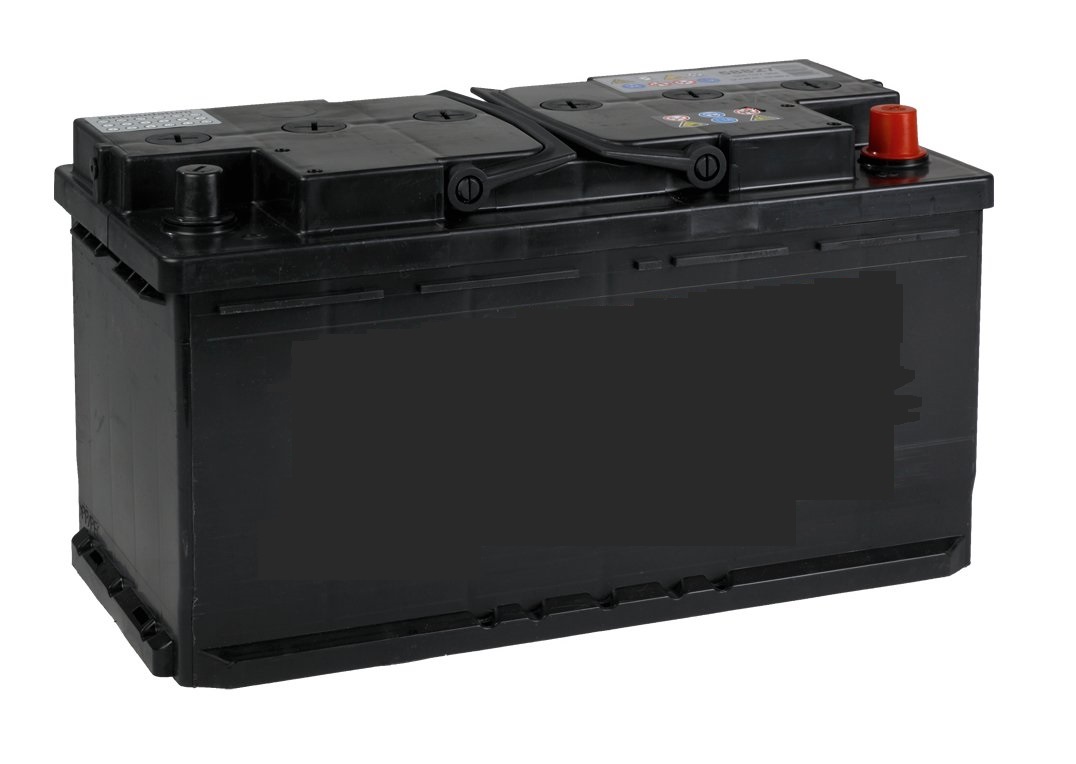
In addition to manufacturing and supplying a comprehensive range of premium quality automotive batteries to the OE, replacement and leisure markets, Power Infinity Batteries brand has become well known in many diverse areas. Power Infinity Batteries have develop a product range that is robust and reliable in the most extreme environments.
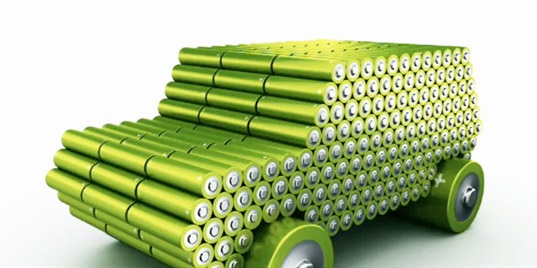
The emergence of environmental issues near the top of the global political agenda over the past few years has not escaped the notice of the business community. The new importance of “green” issues in boardroom discussions, public relations strategies and production processes cannot be denied.
Power Infinity – which encourages customers to bring in their scrap batteries for recycling – was borne out of this burgeoning consciousness. The recycling of potentially damaging waste lead-acid batteries, and the subsequent planting of trees in denuded urban areas, is a prime example of Power Infinity Batteries’ “corporate responsibility” in the area of environmental protection.
The life cycle of a lead-acid battery follows a continuous, closed loop. When a scrap battery is collected and returned to Power Infinity, its lead and plastic are reclaimed and directed to new battery manufacturing.